
The wind resistance level of a flagpole is mainly determined by the following factors:
1. Flagpole material
Flagpoles of different materials have different wind resistance. Common materials are:
Stainless steel (304/316): Strong corrosion resistance, often used outdoors, but needs to be thickened or tapered in strong wind environments.
Aluminum alloy: Light weight, strong oxidation resistance, but not as wind resistant as stainless steel.
Carbon fiber: High strength, low weight, excellent wind resistance, suitable for special scenes, such as the top of high-rise buildings.
2. Structural design of the flagpole
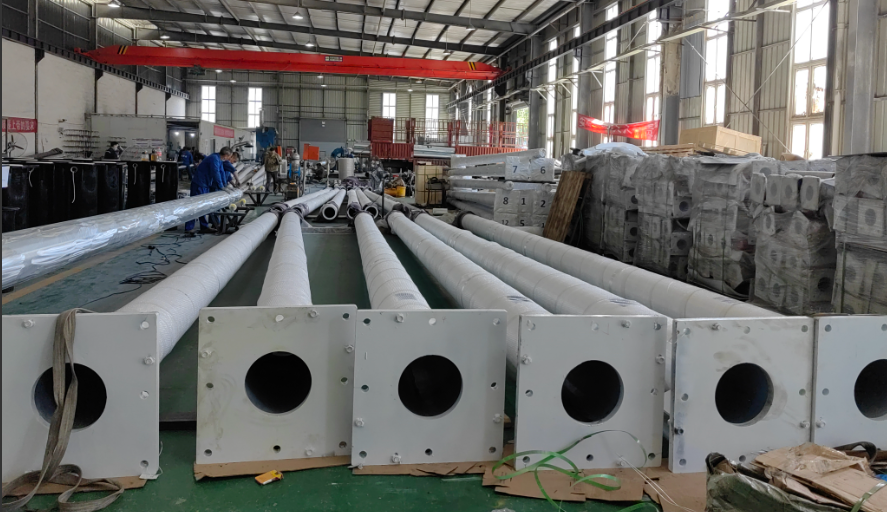
Tapered flagpole: gradually becomes thinner from the bottom to the top, with small wind resistance and stronger wind resistance.
Equal diameter flagpole: The whole body is of equal thickness, with greater wind resistance, suitable for shorter flagpoles.
Multi-section spliced flagpole: Suitable for super-high flagpoles, the connection parts need to be reinforced.
3. Height of the flagpole
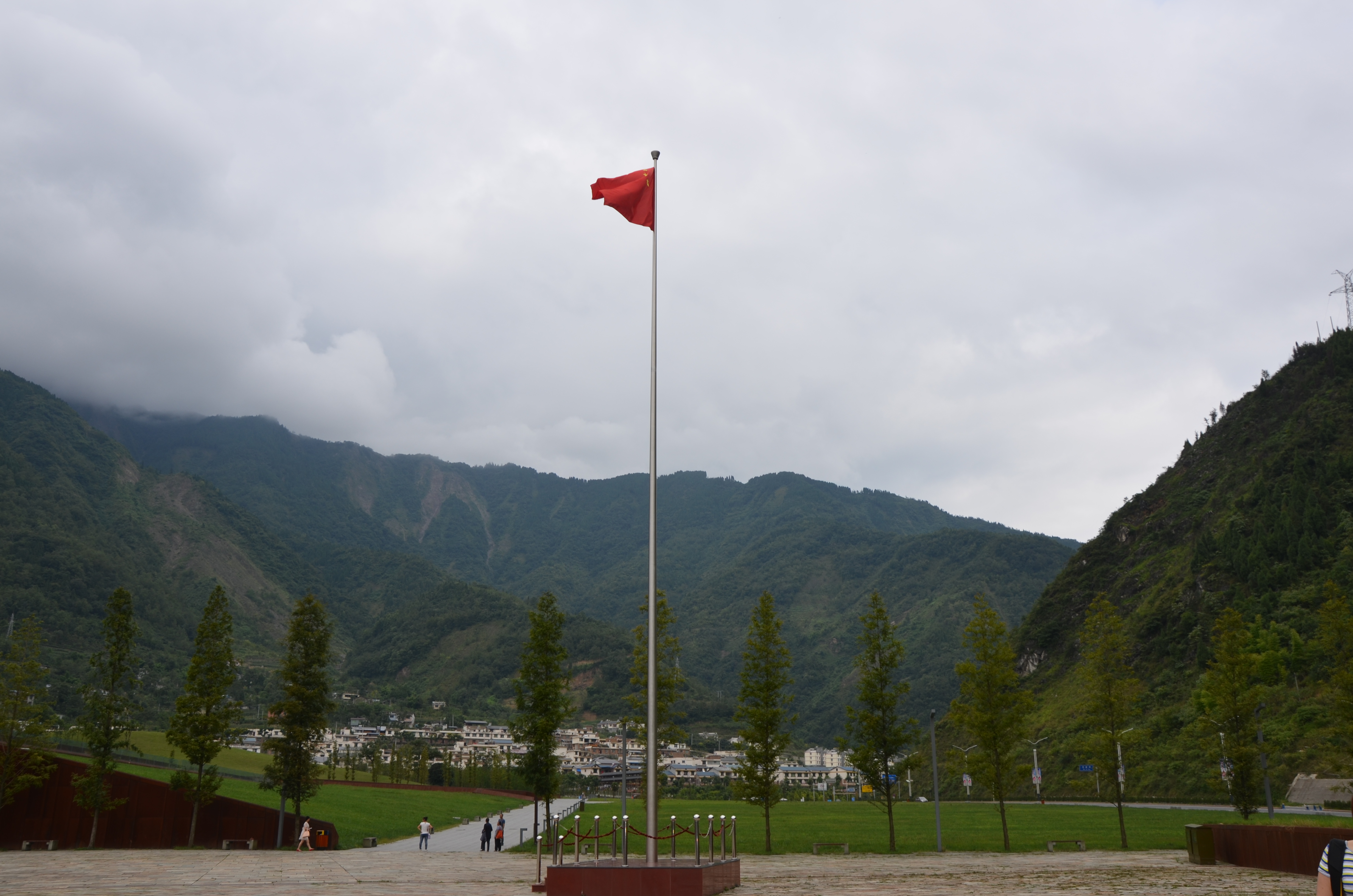
The higher the flagpole, the larger the wind-receiving area, and the higher the wind resistance requirements. For example:
6-10m flagpole: generally can withstand level 8 wind (wind speed 17.2m/s).
11-15m flagpole: can withstand level 10 wind (wind speed 24.5m/s).
16m and above flagpole: need to strengthen the structure to withstand level 12 wind and above (wind speed 32.7m/s).
4. Flagpole wall thickness
The thickness of the flagpole wall determines its strength. Common wall thickness:
1.5mm-2.5mm: suitable for ordinary environment, can withstand general wind force.
3.0mm and above: suitable for strong wind area, improve wind resistance.
5. Flagpole foundation fixing method
Underground foundation: fixed by pre-buried steel bars and concrete, with good wind resistance.
Flange fixing: suitable for ground installation, need to ensure the foundation is stable to avoid loosening in strong winds.
6. Flag size and weight
The larger the flag, the greater the wind resistance, so you need to choose the appropriate flag size.
The lifting system of the electric flagpole also needs to consider the impact of strong winds to prevent the flag from being damaged in strong winds.
7. Installation environment
Coastal areas: The wind is strong, so you need to choose a thickened flagpole or carbon fiber material.
Mountainous areas or high-rise buildings: The wind speed is high, and the flagpole needs additional reinforcement.
Indoor or low wind speed areas: You can choose an ordinary flagpole without a high wind protection level.
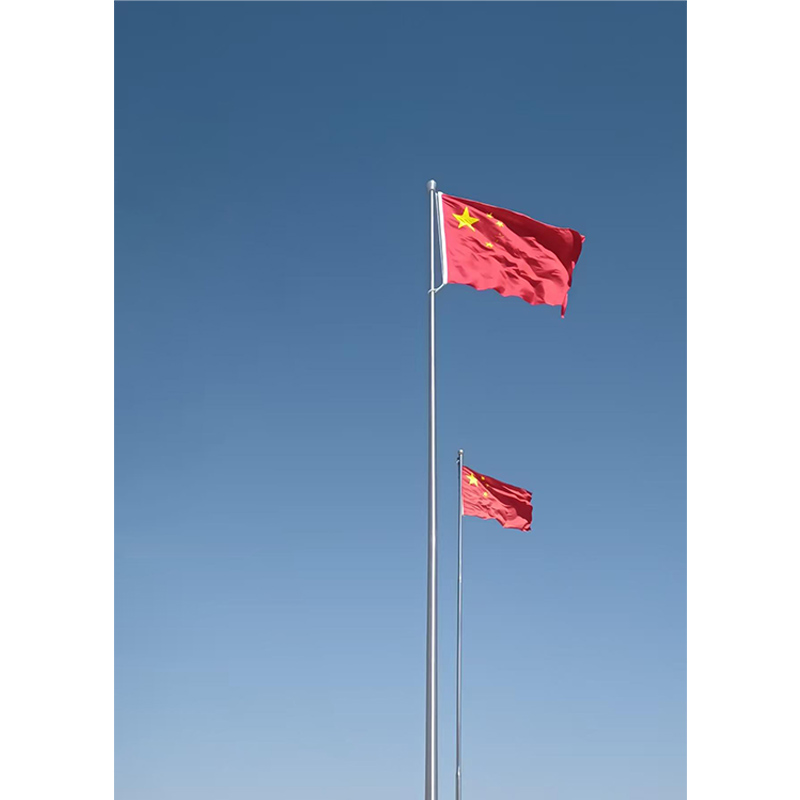
The wind protection level of the flagpole depends on the material, structural design, wall thickness, height, foundation fixing method, flag size and installation environment. When choosing a flagpole, you should reasonably configure the flagpole parameters according to the local wind conditions to ensure safe and stable use.
If you have any purchase requirements or any questions about the flagpoles, please visit www.cd-ricj.com or contact our team at contact ricj@cd-ricj.com
Post time: Mar-21-2025


